
Your shopping cart is empty!
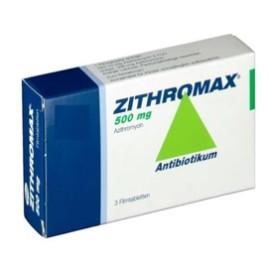
Product Overview: Zithromax 500mg
| Attribute | Details |
|---|---|
| Active Ingredient | Azithromycin 500mg (as azithromycin dihydrate) |
| Brand / Generic | Zithromax (brand) and generic azithromycin tablets |
| Drug Class | Macrolide antibiotic |
| Primary Indications | Treatment of selected bacterial infections: respiratory tract, sinus, throat, ear, skin and some sexually transmitted infections, when prescribed |
| Typical Adult Regimens | Commonly 500mg once daily for 3 days, or 500mg on day 1 then 250mg daily on days 2–5, depending on infection and local guidance |
| Common Side Effects | Nausea, diarrhoea, abdominal pain, headache; less commonly dizziness or rash |
| Key Safety Warnings | Not for viral infections; possible heart rhythm (QT) risk in susceptible patients; avoid unnecessary repeat courses to limit resistance |
| Prescription Required | Yes |
Zithromax 500mg contains azithromycin, a macrolide antibiotic used to treat certain bacterial infections in adults and, where appropriate, in children under medical supervision. It is not a general “cure‑all” and does not work for colds, flu, or other viral illnesses. This page explains what Zithromax 500mg is used for, how it is typically prescribed, key safety points, and what patients should know before starting treatment. For an overview of this medicine and related options, see this page on Zithromax and azithromycin treatments.
What Is Zithromax 500mg?
Zithromax 500mg tablets contain azithromycin 500mg, a broad‑spectrum macrolide antibiotic. Azithromycin works by inhibiting bacterial protein synthesis, which stops bacteria from growing and allows the immune system to clear the infection.
It is prescribed for selected bacterial infections such as some respiratory tract infections (for example, bronchitis or pneumonia), sinusitis, tonsillitis/pharyngitis, otitis media (middle ear infection), certain skin and soft‑tissue infections, and some sexually transmitted infections when recommended by guidelines.
Because different infections require different doses and durations, the same active ingredient is also available in other strengths. For patients who need a lower dose as part of a multi‑day regimen, clinicians may use Zithromax 250mg tablets alongside 500mg tablets depending on the prescribed schedule.
How Zithromax 500mg Works Against Bacteria
Azithromycin binds to the 50S subunit of bacterial ribosomes, interfering with protein production that bacteria need to survive and multiply. This bacteriostatic (growth‑inhibiting) action allows the body's immune defenses to eliminate the infection more effectively.
Key pharmacological features include:
- Long half‑life: Azithromycin stays in tissues for several days, which supports short courses (for example, 3–5 days) for many infections.
- Good tissue penetration: It reaches high concentrations in respiratory tissues, sinuses, tonsils, and skin, which aligns with its common uses.
- Once‑daily dosing: Convenient scheduling can improve adherence compared with antibiotics that require multiple daily doses.
Authoritative summaries of mechanism, indications, and safety are available from sources such as DailyMed Zithromax prescribing information and UK azithromycin product information.
Common Uses of Zithromax 500mg
Zithromax 500mg is prescribed for specific bacterial infections when a clinician judges that azithromycin is appropriate. Common indications include:
- Respiratory tract infections: Acute bacterial exacerbations of chronic bronchitis, community‑acquired pneumonia of mild to moderate severity, and other lower respiratory infections caused by susceptible organisms.
- Upper respiratory and ENT infections: Acute bacterial sinusitis, pharyngitis/tonsillitis (strep throat) when penicillin is unsuitable, and otitis media in selected cases.
- Skin and soft‑tissue infections: Uncomplicated skin infections such as cellulitis or infected wounds due to susceptible bacteria.
- Sexually transmitted infections: Certain regimens for chlamydia and other STIs, according to current local guidelines.
It is not appropriate for viral upper respiratory infections, uncomplicated colds, or influenza. Using antibiotics when they are not needed increases the risk of side effects and contributes to antimicrobial resistance.
Typical Dosing and How to Take Zithromax 500mg
Always use Zithromax 500mg exactly as prescribed. Dose and duration depend on the infection, patient factors, and local resistance patterns.
Common Adult Regimens
- 3‑day course: 500mg once daily for 3 days for certain respiratory or skin infections.
- 5‑day course: 500mg on day 1, then 250mg once daily on days 2–5 (total 1.5 g) for some indications.
- Single‑dose regimens: In some STI protocols, a single 1 g dose may be used under specialist or guideline‑based care.
Paediatric dosing is weight‑based and must be calculated by a clinician; this page focuses on adult 500mg tablets.
With or Without Food
Azithromycin tablets can be taken with or without food. If stomach upset occurs, taking the dose with a small amount of food may help. Follow the instructions on your prescription label and patient information leaflet.
Adherence and Completing the Course
Even if you feel better after a day or two, complete the full prescribed course unless your doctor tells you otherwise. Stopping early can allow surviving bacteria to multiply again and may contribute to resistance.
What to Expect During Treatment
Many people start to feel improvement within 48 to 72 hours of starting azithromycin, although this varies by infection type and severity. Key points include:
- Early improvement: Fever, pain, and local symptoms may begin to ease within the first few days.
- Full resolution: Complete clearance of the infection may take several days after finishing the course.
- No improvement or worsening: If symptoms do not improve after a few days, or if they worsen, contact your doctor promptly.
Clinical guidance on expected response times and when to review treatment is discussed in resources such as azithromycin product information and national antibiotic stewardship guidance.
Who Should Not Use Zithromax 500mg
Zithromax 500mg is not suitable for everyone. Certain medical conditions and medications can make azithromycin unsafe. You should not use Zithromax 500mg if any of the following apply, unless your doctor explicitly advises otherwise:
- Known hypersensitivity to azithromycin, other macrolide antibiotics (such as erythromycin or clarithromycin), or any ingredient in the tablet.
- History of severe liver problems caused by azithromycin.
- Certain heart rhythm disorders (for example, known QT prolongation) or significant risk factors for arrhythmia, unless a clinician has assessed the risks and benefits.
- Concomitant use of medicines that strongly prolong the QT interval or interact dangerously with azithromycin, unless managed by a specialist.
Always share your full medical history and medication list with your healthcare provider before starting Zithromax 500mg.
Possible Side Effects of Zithromax 500mg
Like all antibiotics, Zithromax 500mg can cause side effects, although not everyone experiences them. Most side effects are mild to moderate and temporary.
Common Side Effects
Commonly reported side effects may include:
- Nausea or vomiting
- Diarrhoea or loose stools
- Abdominal pain or discomfort
- Headache
- Dizziness
- Mild rash or itching
These effects often resolve on their own as your body adjusts to the medication. If they persist or are bothersome, discuss them with your doctor.
Serious Side Effects (Seek Immediate Medical Help)
Although rare, some people may experience serious side effects that require urgent medical attention. Stop using Zithromax 500mg and seek immediate care if you notice:
- Signs of a severe allergic reaction: rash with blistering or peeling skin, swelling of the face/lips/tongue, difficulty breathing, or throat tightness.
- Severe or persistent diarrhoea, especially if watery or bloody, which may indicate a serious intestinal condition.
- Signs of liver problems: yellowing of the skin or eyes (jaundice), dark urine, severe fatigue, or upper right abdominal pain.
- Heart rhythm symptoms: fainting, palpitations, fast or irregular heartbeat, or unexplained dizziness.
Comprehensive safety information for azithromycin is provided by regulatory and clinical resources such as the FDA Zithromax labeling and UK azithromycin summaries.
Drug Interactions and Precautions
Zithromax 500mg can interact with several other medicines and substances. Important interactions include:
- Medicines that prolong the QT interval: Certain antiarrhythmics, antipsychotics, some antidepressants, and other antibiotics may increase the risk of abnormal heart rhythms when combined with azithromycin.
- Warfarin and other anticoagulants: Azithromycin may affect clotting parameters; monitoring may be required.
- Digoxin and some other cardiac medicines: Levels may be altered; clinical monitoring is advised.
- Antacids containing aluminium or magnesium: These can reduce azithromycin absorption if taken at the same time; separate dosing by at least 2 hours.
Always tell your doctor or pharmacist about all prescription medicines, over‑the‑counter drugs, and supplements you use before starting Zithromax 500mg.
Antibiotic Resistance and Responsible Use
Overuse and inappropriate use of antibiotics contribute to resistance, making future infections harder to treat. To help limit resistance:
- Use Zithromax 500mg only when prescribed for a confirmed or strongly suspected bacterial infection.
- Do not save leftover tablets for later use or share them with others.
- Do not pressure your clinician for antibiotics when they are not indicated.
- Complete the prescribed course unless your doctor advises otherwise.
Public health guidance on antimicrobial stewardship is available from organizations such as the World Health Organization (antimicrobial resistance) and national health agencies.
Storage and Handling
To maintain quality and safety:
- Store Zithromax 500mg tablets at room temperature, away from excessive heat, moisture, and direct light.
- Keep the tablets in their original packaging until use.
- Do not use tablets that are damaged, discolored, or past their expiry date.
- Keep all medicines out of reach of children and pets.
Frequently Asked Questions (FAQ)
What is Zithromax 500mg used for?
Zithromax 500mg is used to treat selected bacterial infections, including some respiratory, sinus, throat, ear, skin, and certain sexually transmitted infections, when prescribed by a clinician.
How long does it take for Zithromax 500mg to work?
Many people start to feel better within 48 to 72 hours of starting treatment. If there is no improvement or symptoms worsen after a few days, contact your doctor.
Can I take Zithromax 500mg with food?
Yes, Zithromax 500mg can be taken with or without food. If you experience stomach upset, taking it with a small amount of food may help.
What should I do if I miss a dose?
If you miss a dose, take it as soon as you remember. If it is almost time for your next dose, skip the missed dose and continue with your regular schedule. Do not take two doses at once.
Is Zithromax 500mg safe during pregnancy or breastfeeding?
Azithromycin may be used in pregnancy or breastfeeding when clearly needed and prescribed by a doctor. Discuss the risks and benefits with your healthcare provider before use.
Key Takeaways
- Zithromax 500mg contains azithromycin, a macrolide antibiotic used for specific bacterial infections.
- It works by inhibiting bacterial protein synthesis, supporting short, once‑daily courses for many indications.
- Common side effects include nausea, diarrhoea, abdominal pain, and headache; serious cardiac and allergic reactions are rare but require urgent care.
- It is not suitable for viral infections and should be used only when prescribed to limit resistance.
- Important interactions include certain heart‑rhythm medicines, anticoagulants, and some antacids; always review your medication list with a clinician.
- Complete the full prescribed course and store tablets correctly to maintain safety and effectiveness.
This information is for educational purposes only and does not replace professional medical advice, diagnosis, or treatment. Always consult your doctor or a qualified healthcare provider with any questions about your health or medications.


