
Your shopping cart is empty!
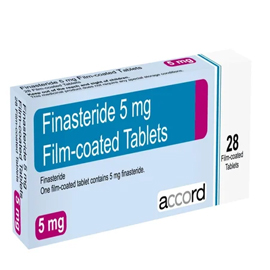
Finasteride Tablet Online – Hair Loss Treatment Guide
| Feature | Details |
|---|---|
| Active ingredient | Finasteride |
| Drug class | 5-alpha-reductase inhibitor |
| Hair-loss strength | 1mg once daily is the labelled strength for male pattern hair loss in adult men |
| Prostate strength | 5mg is used for benign prostatic hyperplasia (BPH), not as the standard hair-loss dose |
| Primary hair indication | Male pattern hair loss, also called androgenetic alopecia |
| How it works | Reduces conversion of testosterone to dihydrotestosterone (DHT) |
| Common concerns | Reduced libido, erectile or ejaculation changes, mood changes and other possible adverse effects |
| Prescription status | Depends on the country and product; medical assessment is recommended |
Finasteride tablets are prescription medicines used for two different conditions at different strengths. The 1mg strength is indicated for male pattern hair loss in adult men, while the 5mg strength is used to treat and control symptoms of benign prostatic hyperplasia (BPH). This distinction matters: a larger tablet is not automatically a better hair-loss treatment. [1]
This guide explains what finasteride does, who may benefit, how treatment is usually monitored, and which safety questions to discuss with a healthcare professional. It is educational information, not a substitute for diagnosis or an individual prescription.
What Is Finasteride?
Finasteride is an oral medicine that inhibits an enzyme called 5-alpha reductase. This enzyme converts testosterone into dihydrotestosterone, commonly called DHT. DHT contributes to the gradual miniaturisation of susceptible scalp hair follicles in male pattern hair loss. It also contributes to prostate enlargement in BPH.
For hair loss, finasteride is commonly discussed under the brand name Propecia and as generic finasteride 1mg. For prostate treatment, it is commonly associated with Proscar and generic finasteride 5mg. These products contain the same active ingredient but have different labelled uses and strengths. You can compare related branded and generic options on this Proscar and Propecia information page.
Finasteride for Male Pattern Hair Loss
Male pattern hair loss, or androgenetic alopecia, often appears as a receding hairline, thinning at the crown, or gradual reduction in hair density. Genetics and sensitivity to DHT both influence the pattern. Finasteride does not treat every cause of hair shedding, so a clinician should confirm the diagnosis before treatment.
Finasteride 1mg may help slow further hair loss and support regrowth in some adult men. Results vary. The medicine does not work like a cosmetic styling product, and it cannot restore every follicle that has been inactive for many years. Earlier assessment generally gives a clinician more opportunity to discuss realistic options.
For related information about thinning hair, shedding, and treatment planning, visit this general hair-loss treatment resource.
How Finasteride Works
Finasteride reduces the activity of type II 5-alpha reductase. As a result, the body produces less DHT in tissues such as the scalp and prostate. Lower DHT may reduce the hormonal signal that gradually shrinks susceptible hair follicles.
The treatment supports the hair-growth cycle; it does not create instant growth. Hair follicles need time to move through their growth phases, so visible improvement usually requires consistent use over months rather than days. Photos taken in similar lighting and from consistent angles can help a clinician assess change more reliably than day-to-day mirror checks.
Finasteride 1mg and 5mg: Important Difference
| Strength | Common labelled use | Important point |
|---|---|---|
| 1mg | Male pattern hair loss | Standard labelled hair-loss strength for adult men |
| 5mg | Benign prostatic hyperplasia | Used for prostate enlargement; do not change strength for hair loss without medical advice |
Finasteride 5mg should not be substituted for finasteride 1mg simply because it contains more medicine. The correct strength depends on the diagnosed condition and the prescriber’s instructions. Splitting tablets can also create handling concerns, particularly for pregnant women or women who could become pregnant.
Women who are pregnant or may become pregnant should not handle crushed or broken finasteride tablets because the active ingredient may be absorbed through the skin and could affect development of a male fetus. Intact, film-coated tablets should also be handled according to local product instructions. [2]
How to Take Finasteride for Hair Loss
When prescribed for male pattern hair loss, finasteride is generally taken as one 1mg tablet once daily. Take it at approximately the same time each day, with or without food, and swallow it as directed.
- Do not take more than the prescribed amount.
- Do not double the next dose after a missed tablet.
- Do not share finasteride with another person.
- Do not stop or restart treatment repeatedly without discussing it with a clinician.
If you miss a dose, follow the instructions supplied with your medicine or ask a pharmacist. Taking extra tablets will not produce faster hair growth and may increase the chance of unwanted effects.
When Should You Expect Results?
Hair growth is gradual. Some men may notice reduced shedding or early improvement after several months, while others need longer before a meaningful change becomes visible. A clinician may assess progress after about six to twelve months, depending on the individual plan.
Continued use is usually needed to maintain any benefit. If treatment stops, the DHT-related process can resume and the hair gained or preserved during treatment may gradually be lost. This is why a long-term plan should include realistic expectations, follow-up, and discussion of alternatives.
Possible Side Effects
Like all medicines, finasteride can cause side effects, although not everyone experiences them. Reported sexual effects include reduced libido, erectile dysfunction, and ejaculation changes. Some people also report breast tenderness or enlargement, skin reactions, or testicular discomfort.
Finasteride has also been associated with mood changes, depression, and suicidal thoughts. Updated UK safety advice recommends that people taking finasteride pay attention to new or worsening psychiatric symptoms and seek medical advice promptly. Anyone experiencing suicidal thoughts should seek urgent help through local emergency services or a crisis service. [3]
When to Seek Urgent Medical Advice
- New or worsening depression, severe anxiety, or suicidal thoughts.
- Swelling of the lips, face, tongue, or throat, or difficulty breathing.
- A breast lump, nipple discharge, or persistent breast pain.
- Severe or persistent sexual side effects that cause distress.
- Any symptom that feels sudden, serious, or medically unusual.
Who Should Avoid or Discuss Finasteride First?
Finasteride is not suitable for everyone. Discuss it with a healthcare professional before use if you have liver disease, unexplained hair loss, fertility concerns, sexual dysfunction, depression, or a history of suicidal thoughts.
Finasteride is not indicated for women or children for male pattern hair loss. Pregnant women and women who may become pregnant must avoid contact with crushed or broken tablets. Men should also tell their clinician about other medicines and supplements before starting treatment.
Finasteride and Prostate Health
At 5mg, finasteride is used for BPH, a non-cancerous enlargement of the prostate that may cause weak urine flow, difficulty starting urination, frequent urination, or night-time urination. It may reduce prostate size and improve urinary symptoms over time.
Finasteride can reduce prostate-specific antigen (PSA) levels. Doctors take this effect into account when interpreting PSA test results. Never begin, stop, or change finasteride prescribed for prostate symptoms without speaking with the prescriber.
Finasteride Interactions and Monitoring
Finasteride does not have the same interaction profile as many medicines, but a complete medication review remains important. Tell your clinician about prescription medicines, over-the-counter products, and supplements. Mention any treatment for prostate symptoms, fertility, sexual health, or hormonal conditions.
Medical follow-up may include reviewing hair density, side effects, mood, sexual function, and whether the diagnosis remains correct. People using the 5mg strength for BPH may also require urinary symptom review and appropriate PSA monitoring.
Buying Finasteride Tablets Online Safely
Online medicine pages should provide accurate product details rather than promising guaranteed regrowth or “instant” results. Before ordering, check the exact strength, active ingredient, manufacturer, expiry information, and legal pharmacy requirements in your country.
- Avoid websites that guarantee a full head of hair or claim that side effects are impossible.
- Do not purchase a different strength from the one prescribed.
- Use a properly regulated pharmacy or a service that requires appropriate medical review where required.
- Check that the packaging is intact and the product matches the information supplied.
- Ask a pharmacist if you are unsure whether the product is intended for hair loss or prostate treatment.
Frequently Asked Questions
What is finasteride tablet used for?
Finasteride 1mg is used for male pattern hair loss in adult men. Finasteride 5mg is used to treat symptoms and progression of benign prostatic hyperplasia. The strength and purpose should match the prescription.
How does finasteride help hair loss?
Finasteride lowers the conversion of testosterone to DHT. Lower DHT may slow follicle miniaturisation and help preserve or improve hair in men with androgenetic alopecia.
How long does finasteride take to work?
Finasteride does not produce immediate results. Hair changes usually require consistent treatment for several months, and continued use is generally needed to maintain benefit.
Can women take finasteride for hair loss?
Finasteride is not routinely indicated for women, and pregnant women must not handle crushed or broken tablets. Any use in a woman requires specialist medical assessment, particularly because of pregnancy-related risks.
Does finasteride cause sexual side effects?
Sexual side effects, including reduced libido, erectile dysfunction, and ejaculation changes, have been reported. Speak with a healthcare professional if symptoms occur or continue.
Is finasteride 5mg better than 1mg for hair loss?
No. Finasteride 1mg is the standard labelled strength for male pattern hair loss, while 5mg is used for BPH. A higher strength is not automatically more suitable and should not be used for hair loss without medical advice.
Key Takeaways
- Finasteride is a 5-alpha-reductase inhibitor that lowers DHT.
- The 1mg strength is used for male pattern hair loss; the 5mg strength is used for BPH.
- Hair improvement is gradual and usually requires continued treatment.
- Possible sexual and psychiatric side effects deserve clear discussion and follow-up.
- Pregnant women or women who may become pregnant must not handle crushed or broken tablets.
- Use only the strength and schedule prescribed by a qualified healthcare professional.
Trusted Sources
- DailyMed: Finasteride 1mg prescribing information
- UK MHRA: Updated finasteride safety warnings
- NHS: Finasteride information
Disclaimer: This content is for general information only and does not replace medical advice, diagnosis, or treatment. Use finasteride only as advised by a qualified healthcare professional. Sunbedbooster.com does not guarantee a 100% cure or treatment for hair loss. Results may vary.


